
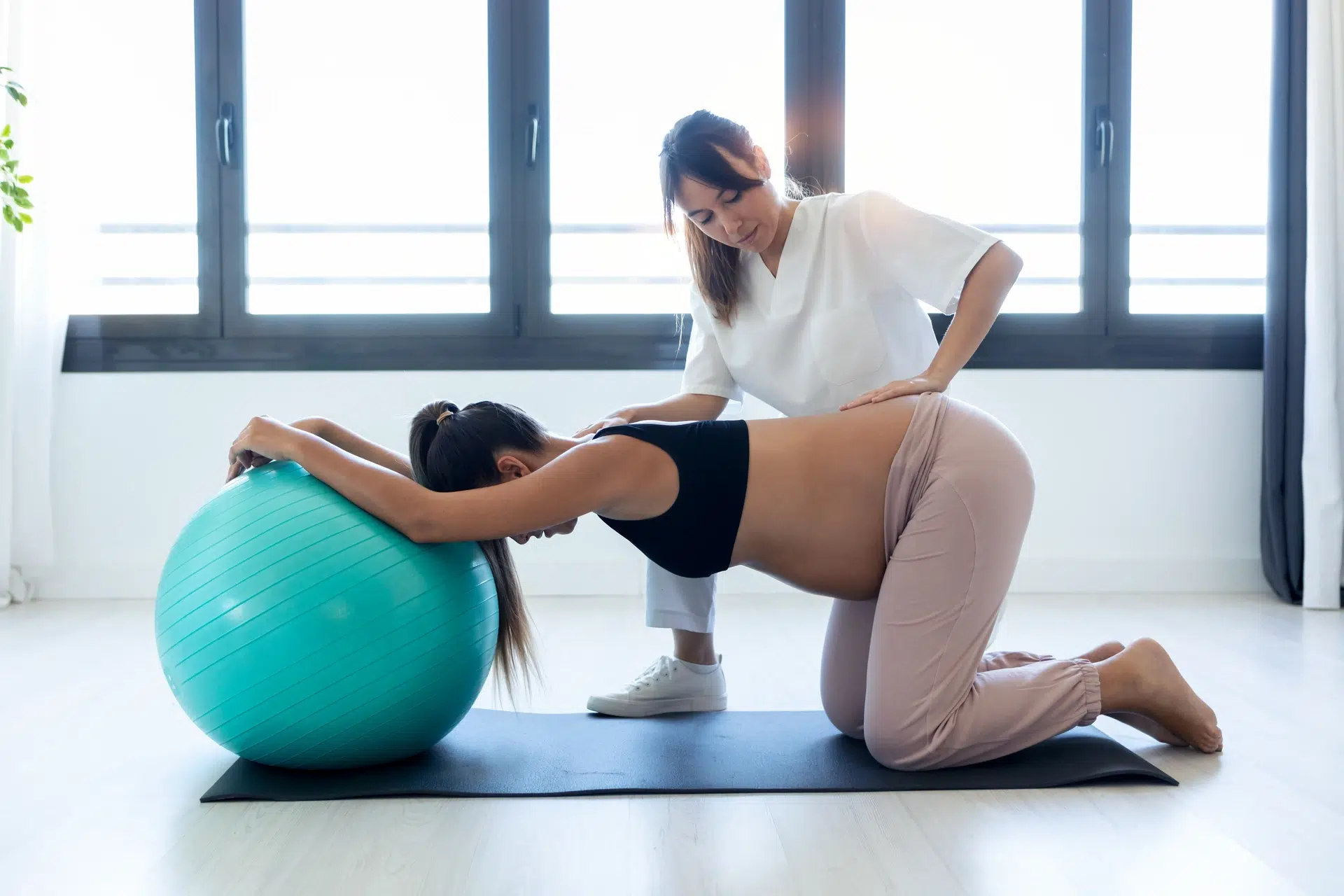
Lower back or hip discomfort often gets linked to posture, muscle strain, or long hours of sitting. However, another factor that sometimes goes unnoticed is the role of the pelvic floor. The pelvic floor muscles provides support for the bladder, bowel, and reproductive organs, but they also contribute to stability around the pelvis and spine. When these muscles stop functioning properly, they can influence nearby structures such as the hips and lower back. Through pelvic floor physiotherapy in Edmonton, many people discover how addressing pelvic floor problems can improve movement, comfort, and overall body function.
What Exactly Are the Pelvic Floor Muscles?
Your pelvic floor muscles form a supportive layer of muscles and connective tissues at the base of the pelvis. These muscles work alongside the core, diaphragm, and deep abdominal muscles to maintain stability in the lower body. When pelvic floor problems develop, these muscles may not function as they should, affecting movement, stability, and everyday activities.
They help with several important functions:
- Supporting pelvic organs
- Controlling bladder and bowel function
- Stabilizing the pelvis and spine
- Assisting with posture and core strength
Because these muscles connect to the pelvis, tailbone, hips, and lower spine, any imbalance or tension can affect surrounding areas. This is why pelvic floor problems, including pelvic floor dysfunction, sometimes show up as hip discomfort or lower back issues.
How Are the Pelvic Floor, Hips, and Lower Back Connected?
Your body functions as an interconnected system rather than separate parts. The pelvis sits at the center of that system, connecting the spine above and the hips below.
When the muscles in the pelvic floor become weak, tight, or uncoordinated, pelvic floor problems can influence how the pelvis moves. This can lead to changes in posture, muscle compensation, and increased stress on the lower back and hip joints.
For example:
- Tight pelvic floor muscles may pull on surrounding tissues and create tension around the hips.
- Weak pelvic floor muscles may reduce pelvic stability, which places more strain on the lower back.
- Imbalanced muscle coordination can change the way you walk, sit, or stand.
Through pelvic floor physiotherapy in Edmonton, we often help people understand how these connections influence their symptoms.
What Is Pelvic Floor Dysfunction?
Pelvic floor dysfunction happens when the pelvic floor muscles do not contract, relax, or coordinate properly. Instead of working smoothly with the rest of your core, the muscles either become too tight, too weak, or poorly synchronized.
Common causes include:
- Pregnancy and childbirth
- Long periods of sitting
- Heavy lifting or repetitive strain
- Surgery in the pelvic region
- Chronic coughing or straining
- Previous injuries involving the hips or lower back
When this dysfunction develops, the body often compensates by relying more on surrounding muscles. Over time, this compensation can contribute to pelvic floor problems like pelvic floor pain, hip tightness, or persistent lower back discomfort.
What Signs Suggest Pelvic Floor Problems May Be Involved?
Many people don’t immediately connect their symptoms with the pelvic floor. However, several signs can indicate that pelvic floor problems are affecting the hips or lower back.
Some common symptoms of pelvic floor problems include:
- Persistent lower back discomfort without a clear cause
- Hip tightness that doesn’t improve with regular stretching
- Pelvic pressure or heaviness
- Pain around the tailbone or deep within the pelvis
- Difficulty with bladder control or urgency
- Discomfort during certain movements or exercises
If these symptoms appear together, it may indicate that the pelvic floor muscles are dysfunctioning as they should.
How Can Pelvic Floor Therapy Help With Back or Hip Pain?
When we work with you during pelvic floor therapy, the focus goes beyond just the pelvic region. Our goal is to understand how your pelvic floor, core muscles, hips, and spine interact during everyday movement.
A pelvic floor physio session often includes several components.
Movement and Posture Assessment
Our therapist observes how you move, stand, sit, and walk. Small imbalances in posture or movement patterns can place additional stress on the pelvis and spine.
Pelvic Floor Muscle Awareness
Many people are unsure how to properly activate or relax their pelvic floor muscles. Through guided exercises, we help you develop awareness and control of these muscles.
Coordination With Core Muscles
The pelvic floor works closely with deep abdominal muscles and breathing patterns. During pelvic floor physiotherapy in Edmonton, we guide you through exercises that improve coordination between these systems.
Hip and Pelvic Mobility Work
Restricted hip movement can place extra pressure on the pelvis. Gentle mobility exercises help restore balanced movement around the hip joints.
Strength and Stability Training
When pelvic floor weakness contributes to instability, strengthening exercises help improve pelvic support. This can control strain on the lower back and improve overall movement control.
When Should You Consider Pelvic Floor Physiotherapy?
If your back or hip discomfort has lasted for months or repeatedly returns, it may be helpful to consider the role of the pelvic floor.
You might benefit from pelvic floor therapy if:
- Back or hip pain feels deep in the pelvis
- Symptoms increase after long periods of sitting
- Core exercises trigger pelvic discomfort
- You experience both pelvic floor pain and back stiffness
- Traditional stretching or strengthening programs have not helped
Working with a pelvic floor physio allows you to explore these connections and build a plan that supports your body’s natural movement patterns.
Simple Remedies for Pelvic Floor Problems
- Practice Good Posture
Sitting and standing with proper posture can reduce unnecessary strain on your pelvic floor, lower back, and hips. - Stay Active with Gentle Exercise
Low-impact activities like walking and stretching can improve flexibility, circulation, and overall pelvic and spinal function. - Strengthen Your Core and Pelvic Floor
A physiotherapist can recommend exercises that improve coordination between your core and pelvic floor muscles based on your specific needs. - Avoid Heavy Lifting and Straining
Use proper lifting techniques and avoid excessive straining during daily activities to reduce pressure on the pelvic floor. - Seek Pelvic Floor Physiotherapy
If lower back or hip pain is linked to pelvic floor problems, a physiotherapist can assess the underlying cause and develop a personalized treatment plan to improve movement and function.
Supporting Your Body Through Pelvic Floor Physiotherapy
Lower back or hip discomfort sometimes has deeper connections within the body, and the pelvic floor muscles are often part of that picture. Through pelvic floor physiotherapy in Edmonton, we work with you to improve coordination between the core, hips, and pelvic floor so movement becomes more balanced.
If you have been dealing with ongoing pelvic floor problems, our therapists at Vertex Physiotherapy are here to help you explore how pelvic floor physio and guided pelvic floor therapy can support better movement and comfort. Reach out to our team to learn more or schedule an appointment.